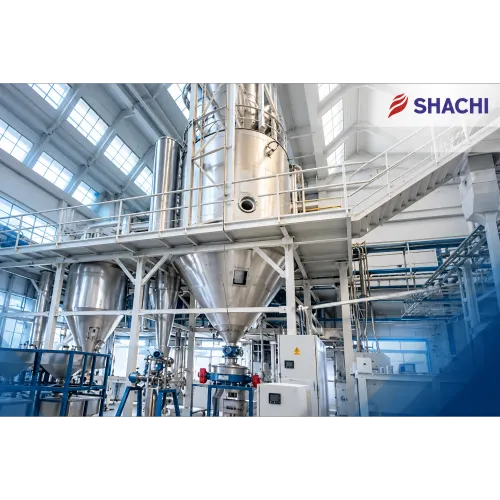

How can manufacturers reduce spray dryer energy consumption without compromising powder quality?
One important factor is the solids concentration of the liquid feed entering an industrial spray dryer.
In the spray drying process, thermal energy is required to evaporate moisture and convert liquid feed into powder. When feed solids concentration increases, less water generally needs to be removed for the same dry solids output. This can reduce evaporation duty and improve spray dryer energy efficiency.
However, higher feed concentration also changes viscosity and atomization behavior. Excessive viscosity can affect droplet formation, drying performance and final powder characteristics.
For manufacturers evaluating spray dryer operating costs, the engineering assessment should consider:
Feed solids concentration and viscosity
Water evaporation capacity
Thermal energy consumption
Atomization and drying conditions
Powder moisture and particle-size requirements
Energy cost per kilogram of finished powder
These parameters influence both CAPEX and OPEX in spray dryer plants, including equipment sizing, utility requirements and long-term production costs.
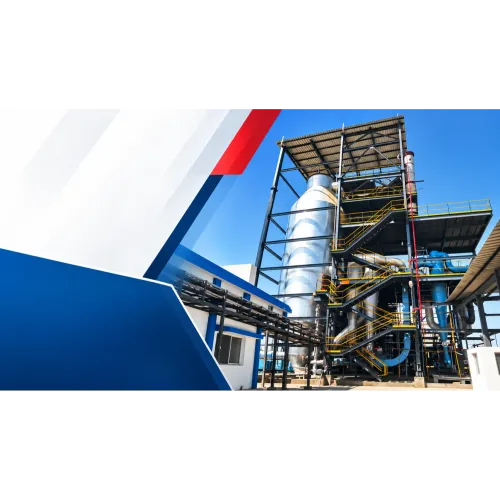
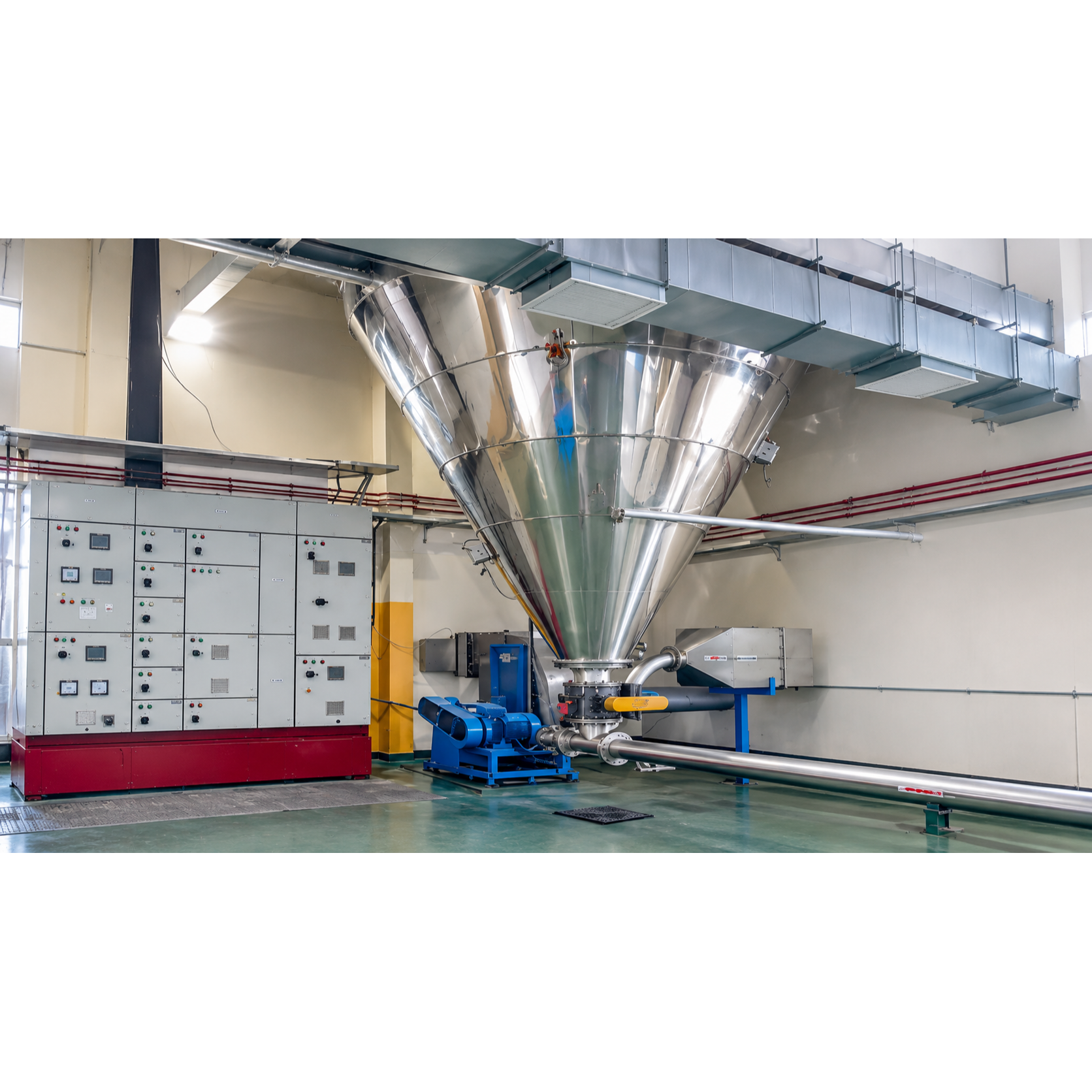
Shachi Engineering provides industrial spray drying equipment and engineering solutions for manufacturers evaluating drying performance, process requirements and plant economics.
The economics of spray drying begin with the feed—not just the dryer capacity.