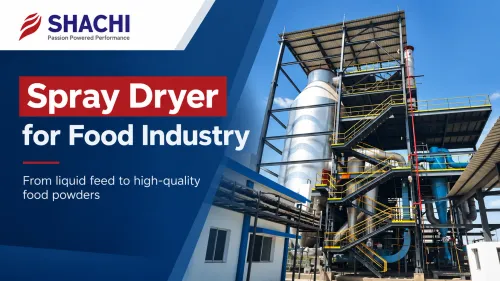
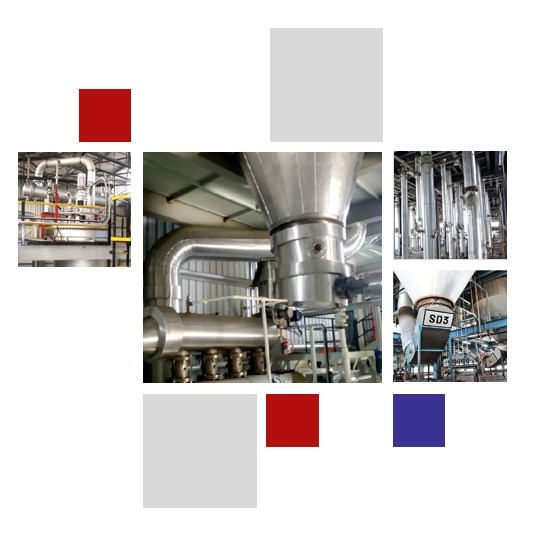
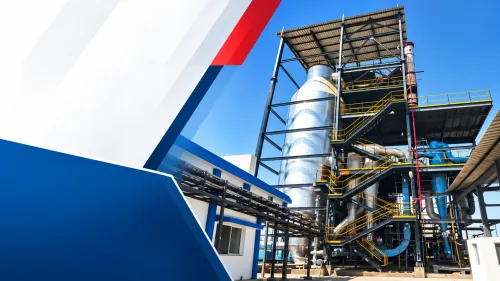
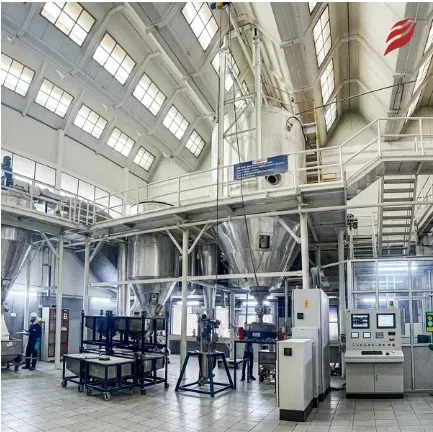
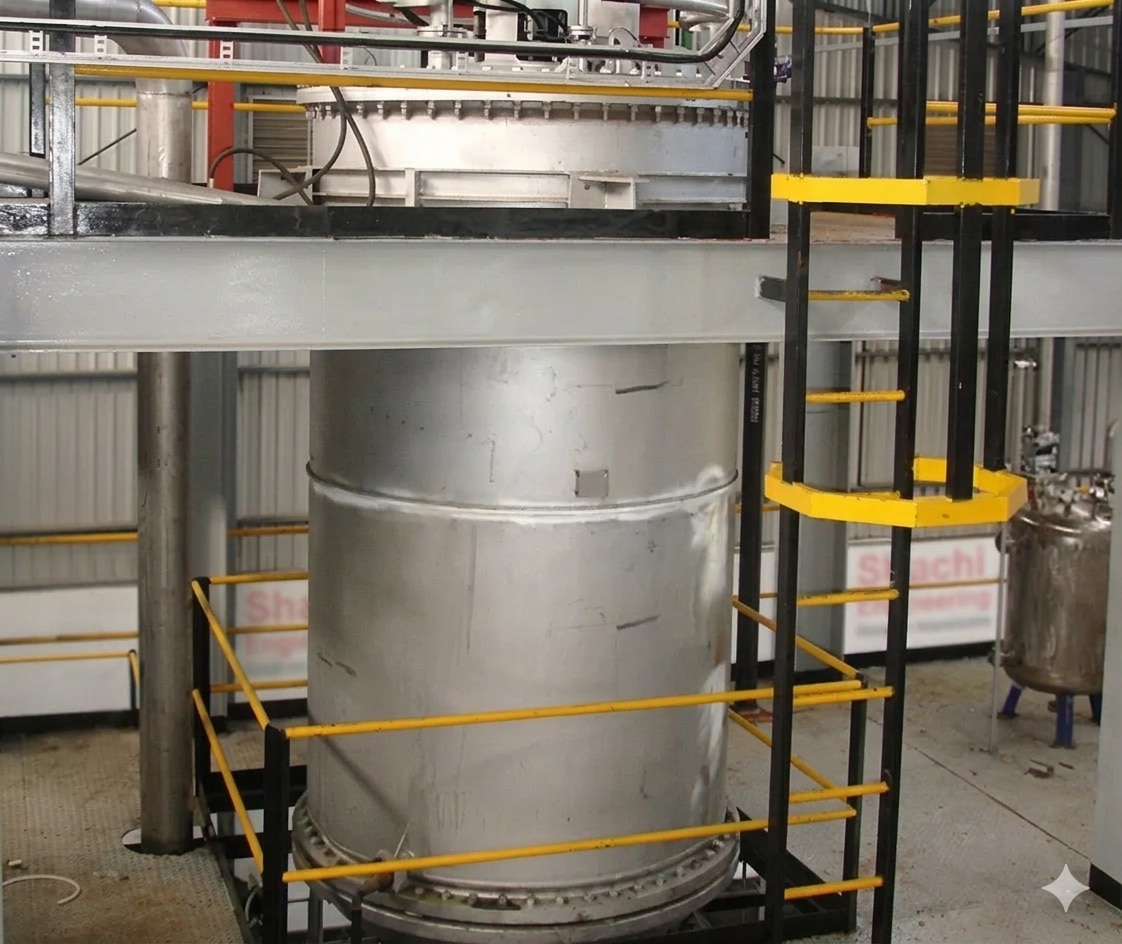
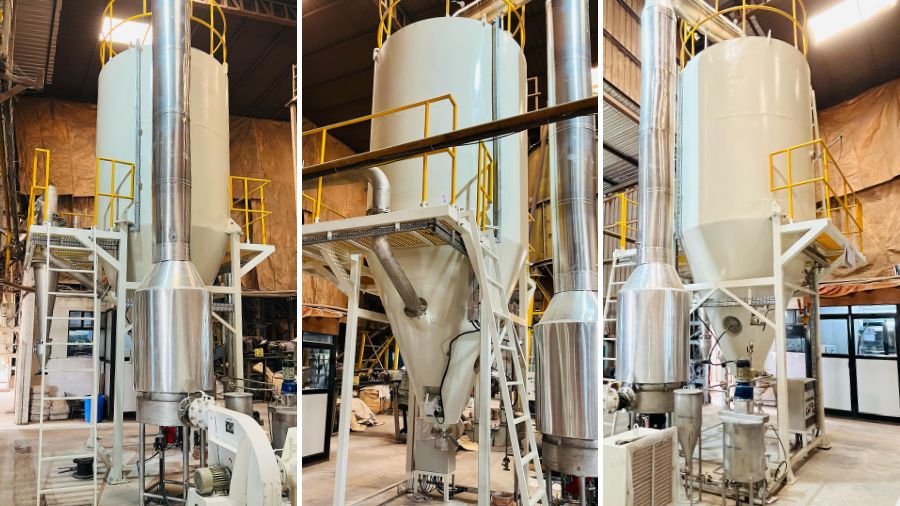
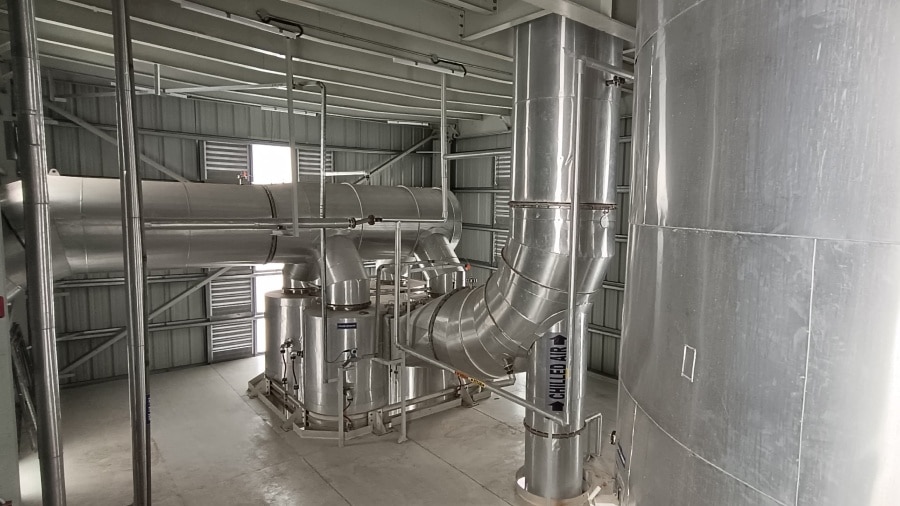
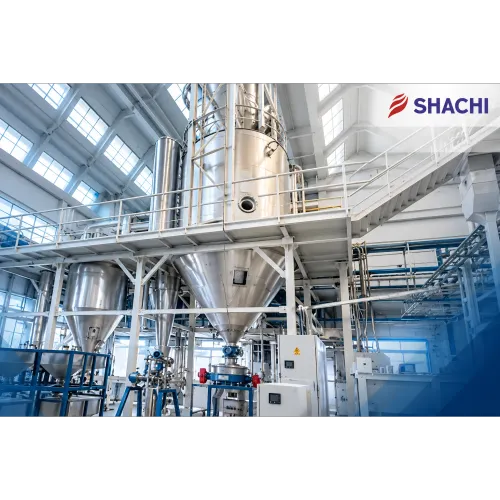
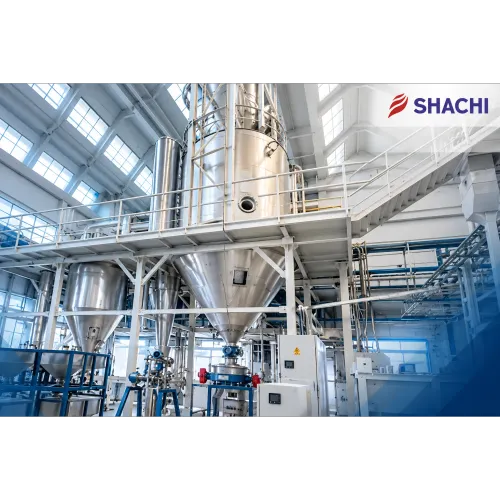
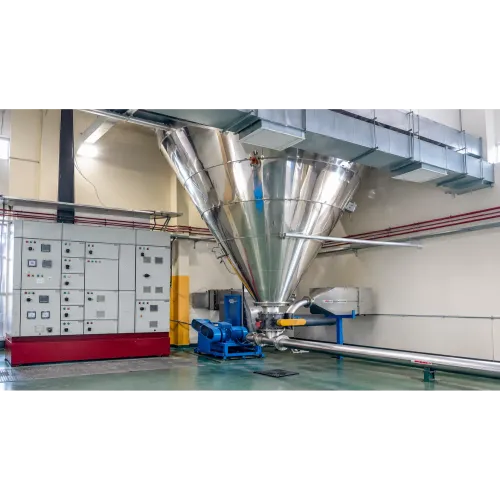
An industrial spray dryer for the food industry converts suitable liquid feeds, solutions, emulsions and slurries into powders through atomization and controlled moisture evaporation. Food ingredients differ in viscosity, solids content, composition and heat sensitivity. These differences influence equipment selection, drying conditions and final powder quality. Applications in Food Ingredient Manufacturing Industrial spray drying is used for: Flavours and Encapsulation: Converting suitable flavour emulsions into powders while considering aroma retention. Seasoning Ingredients: Producing powders for savoury blends and formulations. Fruit and Vegetable Extracts: Drying prepared concentrates into powdered ingredients. Coffee and Tea Extracts: Manufacturing soluble beverage powders. Maltodextrin and Starch Derivatives: Processing suitable carbohydrate solutions. Plant-Based Proteins: Drying selected protein dispersions. Functional Food Ingredients: Processing suitable nutritional formulations. Each product requires an individual process evaluation because identical drying conditions may not produce the same results. Why Feed Properties Matter in Spray Dryer Design Feed viscosity and solids concentration influence pumping, atomization, droplet formation and moisture evaporation. Heat-sensitive ingredients may require careful control to limit flavour loss, colour changes or degradation. Sticky formulations can increase chamber deposition and complicate powder recovery. Final moisture content, particle-size distribution, bulk density and flowability also influence equipment configuration. A food ingredients spray drying plant should therefore be designed around product requirements rather than production capacity alone. How Industrial Spray Drying Works The process involves five stages: 1. Feed Preparation: Establishing suitable concentration, viscosity and feed uniformity. 2. Atomization: Converting liquid feed into droplets inside the drying chamber. 3. Drying: Using heated air to evaporate moisture through heat and mass transfer. 4. Powder Recovery: Separating and collecting dried particles. 5. Powder Handling: Considering cooling, agglomeration or fluid-bed processing where required. These operations must work together to achieve the intended powder specifications. Engineering Considerations for Food Spray Drying Plants Drying Capacity: Feed rate, solids concentration and target moisture determine the evaporation duty. Powder Quality: Particle size, residual moisture, bulk density, solubility and flowability influence process requirements. Hygienic Design: Product-contact materials, cleaning accessibility and contamination prevention require appropriate consideration. Powder Recovery: Fine-particle collection, wall deposition and discharge arrangements affect plant operation. Process Control: Feed conditions and drying-air parameters must be monitored according to the application. An integrated fluid bed may be considered for suitable products requiring additional drying or powder conditioning. Selecting a Spray Dryer for Your Food Product Before selecting spray drying equipment for food processing, manufacturers should define: Product composition and feed characteristics Feed rate, viscosity and solids concentration Required powder production capacity Target moisture and particle-size distribution Bulk density and powder handling requirements Product thermal sensitivity Hygiene and cleaning requirements Available utilities and operating conditions Future capacity or product requirements These inputs establish the technical basis for equipment selection. Industrial Spray Drying Solutions by Shachi Engineering Shachi Engineering provides industrial spray drying equipment and engineering solutions for manufacturing applications. For food ingredient processing, technical evaluation connects feed properties, moisture removal, atomization, drying conditions and powder recovery with the required product specifications. Equipment configuration, food-grade construction options, automation and cleaning arrangements can be evaluated according to project requirements and available solutions. Discuss Your Food Spray Drying Requirements Planning a new food powder manufacturing facility, expanding production capacity or reviewing an existing drying process? Connect with Shachi Engineering to discuss your feed characteristics, powder specifications and production requirements for a suitable industrial spray drying solution.

Istanbul, Türkiye
08048040531
+917558636100
 Chat with us
 Chat with us
About Shachi Engineering Private Limited
From a Humble Beginning to a Purpose-Led Engineering Legacy
Our Solution
Featured Our SolutionWhat We Do










Our Highlights
500+
PROJECT DONE
400+
HAPPY CLIENTS
100+
SKILLED STAFF
10+
COUNTRIES
Have any custom requirements?
Updates
Read What’s Latest
Testimonials
View All
Mukesh K. Agarawal⭐⭐⭐⭐⭐
Zest Aromas Pvt. Ltd.
Shachi Engineering has supplied and installed spray dryer plant to our company for flavours and fragrance application an...
Read MoreHarsh Patel ⭐⭐⭐⭐⭐
Director - Yashasvi Rasayan Pvt. Ltd.
Shachi's team provided valuable insights from the design to final commissioning stage. The team of Engineers was knowled...
Read MorePrashant Shah ⭐⭐⭐⭐⭐
DGM - Accent Microcell Pvt. Ltd
Shachi supported us from the inception & offered us the best spray dryer & we are happy with the performance.
×
![]()